Canon EOS 4000D / Rebel T100 DSLR Camera w/Canon EF-S 18-55mm F/3.5-5.6 III Zoom Lens + Case + 32GB SD Card (15pc Bundle)Canon EOS 4000D / Rebel T100 DSLR Camera w/Canon EF-S 18-55mm F/3.5-5.6 III Zoom Lens + Case + 32GB SD Card (15pc Bundle)
- This Jerry’s Photo DSLR Camera Package Includes Transcend 32GB High Speed Class 10 SD Memory Card ,USB Card Reader ,58mm UV Filter ,Battery , Charger , Lens Caps And Body Cap , Deluxe Gadget Bag , 7" Spider FLex Tripod ,Neck Strap , Jerry’s Photo Lens Cleaning Cloth , And Includes :
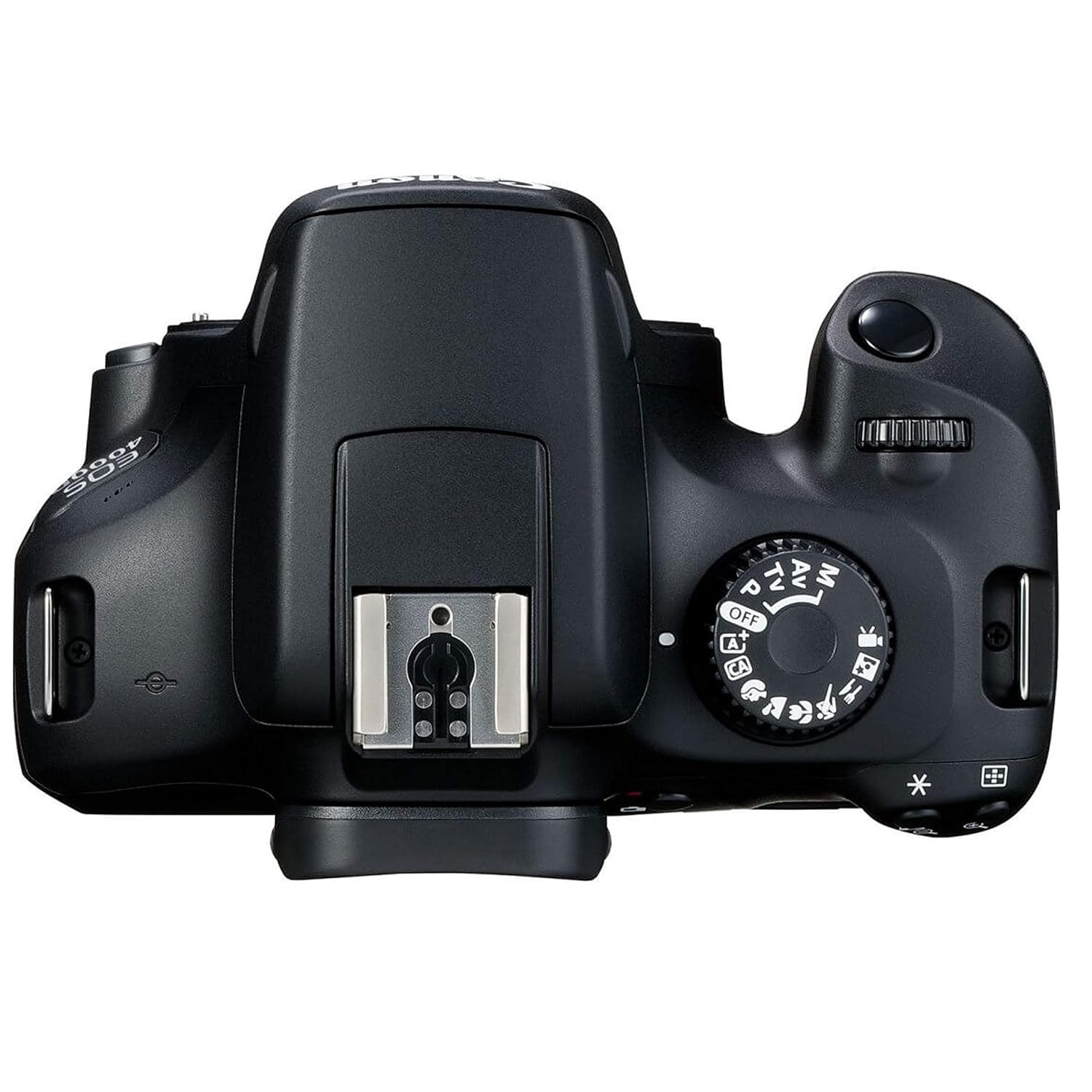
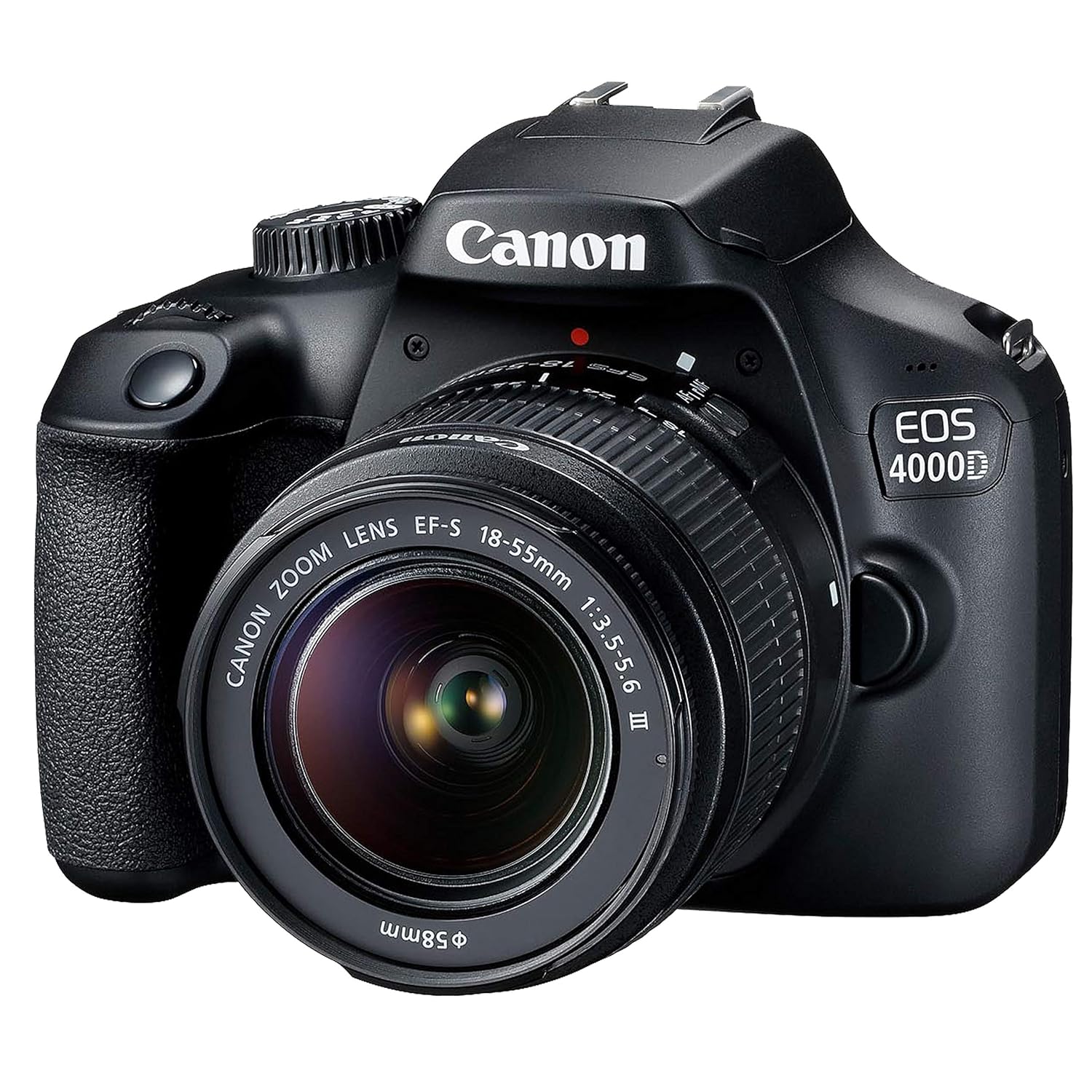
- Canon EOS 4000D / Rebel T100 DSLR Camera Body (International Version )- 18.0MP APS-C CMOS Sensor,DIGIC 4+ Image Processor, 6.8 cm (2.7") TFT LCD, approx. 230 K dots,,Full HD 1080p Video Recording at 29.97fps ,9 Point Auto Focus,Dual,Up to 3 fps Shooting and ISO 12800 ,Built-In Wi-Fi, Scene Intelligent Auto
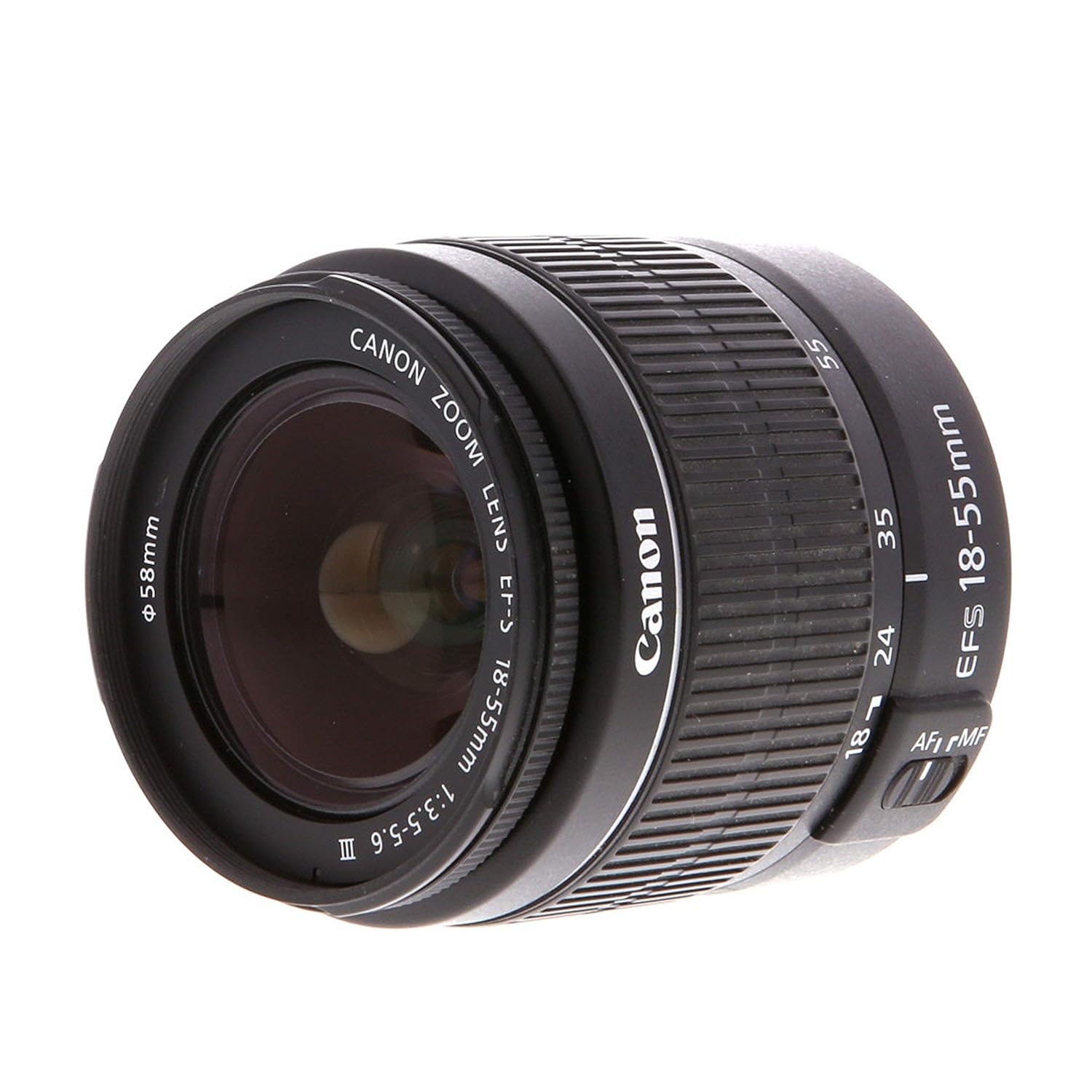
- Canon EF-S 18-55mm F/3.5-5.6 DC III Zoom Lens - EF-S-Mount Lens/APS-C Format, 28.8-88mm (35mm Equivalent) ,Aperture Range: f/3.5 to f/38 ,One Aspherical Element ,Super Spectra Coating ,Micro Motor AF System , Rounded 6-Blade Diaphragm
- Creating distinctive stories with DSLR quality photos and Full HD movies is easier than you think with the 18 Megapixel EOS 4000D / Rebel T100. Share instantly and shoot remotely via your compatible smartphone with Wi-Fi and the Canon Camera Connect app.
- Just frame and shoot for great results with Scene Intelligent Auto. Enjoy guided Live View shooting with Creative Auto mode and add unique finishes with Creative Filters.Shoot with confidence ,Capture the moment just as you remember it with precise auto focus, 3.0 fps and DIGIC 4+. Easily frame your shots with the optical viewfinder and see results on a 2.7 Inch (6.8 cm) LCD screen
With smartphones increasingly capable of sensational photography you get the sense camera makers are finding it ever harder to shift low-end DSLRs. Who needs the hassle of lugging around a bulky camera when there’s a decent one already in your pocket?
The Canon EOS 4000D is Canon’s attempt to sway some of those smartphone snappers. Emphasising features such as easy social-media sharing from the built-in Wi-Fi and a sensor that’s “19x larger than a typical smartphone’s”, Canon is thrusting this budget camera in the face of the Instagram generation. It’s just a shame many of its core features feel older than the audience it’s aimed at.
Canon EOS 4000D review: What you need to know
The 18-megapixel EOS 4000D sits at the very bottom of Canon’s DSLR range, just below the EOS 2000D, which is a wee bit odd given Canon’s traditional naming convention, where a higher number normally means a better camera.
Canon EOS 4000D review: Features and design
So what does just over £300’s worth of camera get you? In truth, a very basic spec.
The 18-megapixel sensor inside this camera was first used in Canon cameras as far back as 2010, which sets the tone for the rest of the features on offer here.
The nine-point autofocus system is equally dated. It doesn’t stretch to the far corners of the frame, meaning you’ll either need to place your subjects either just off-centre or get used to re-framing once you’ve got the focus locked.
Autofocus is pretty sluggish by modern standards and the red dot that indicates when you’ve got a focus-lock isn’t easy to see in bright conditions. There’s a little bit too much guesswork involved for my liking.
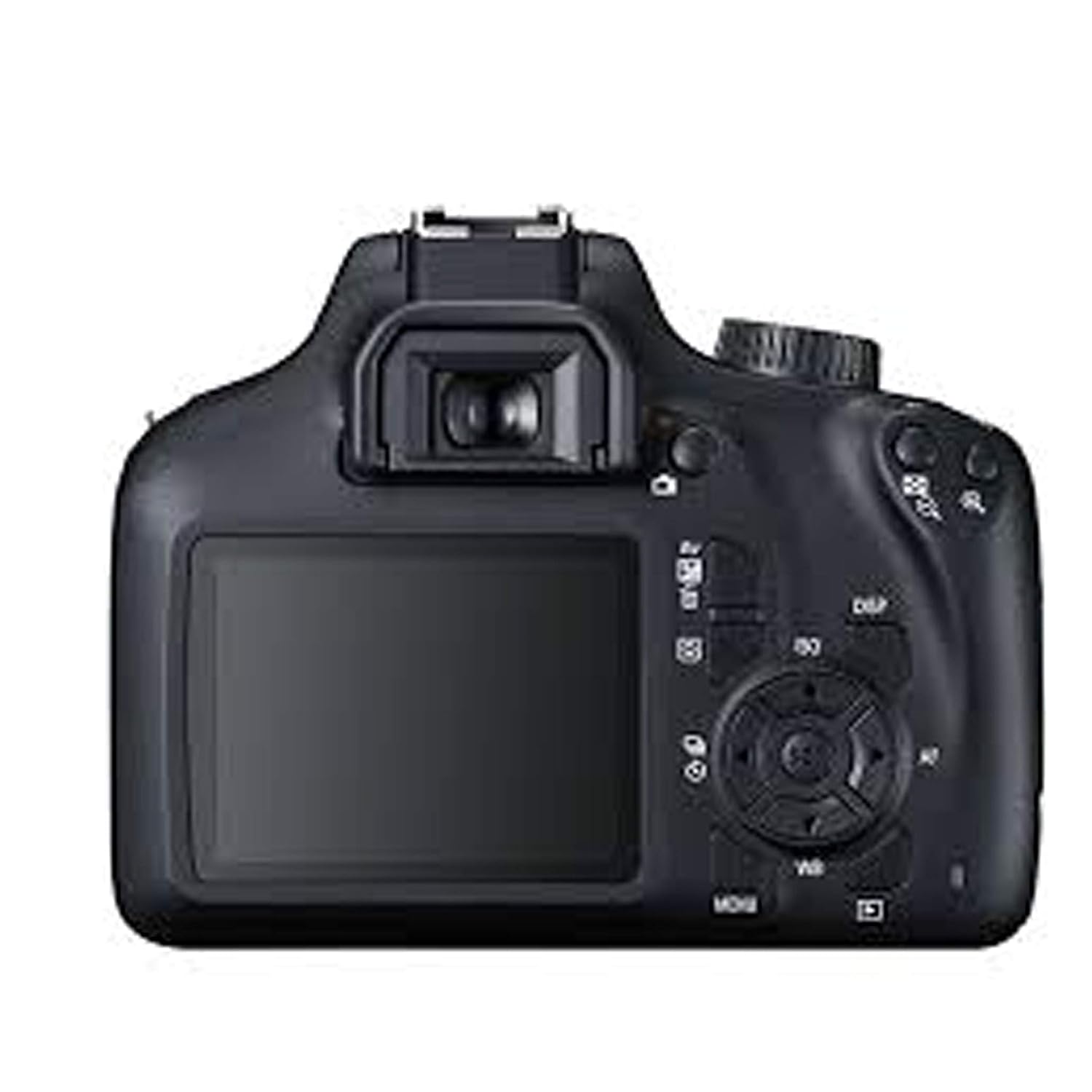
Don’t think you can easily check focus on the camera’s LCD, either. It’s a horribly cramped and low-res screen. Even the most beautifully focused shot can look grainy on the 3in, 230k display, meaning you have to zoom right in to check sharpness.
And, note, we say screen, not touchscreen. The menus have to be navigated via the buttons on the back of the camera, in another throwback to the pre-iPhone era. If Canon is trying to attract the smartphone junkies, this is a strange way of doing it.
The body itself is fine. It’s all smooth plastic but the buttons are well spaced and responsive and there’s a rubber grip on the front of the body to prevent it slipping free. But more economies have been made on the lens mount: it’s plastic, not metal, which could be a worry if you’re changing lenses frequently.
The bundled EF-S 18-55mm III lens is about as lightweight as they come, with a very unsatisfying zoom action. With no switch to lock the zoom, it’s easy to accidentally knock while set up on a tripod and ruin your framing. And the autofocus makes a noise like a rat scratching a tin can.
One omission we’re not keen on is the removal of the dedicated power switch. OFF is now just another option on the function dial that allows you to choose between the camera’s various shooting modes. That’s irritating if you’ve got the camera set up in a particular mode and just want to flick it off for a minute or two to save battery. If you’re in video mode, you’ve got to turn the juddery dial a full 180-degrees just to turn it off, adding a degree of unnecessary faff.
There are no real surprises in the shooting modes. All the regulars are there, plus a Food mode that “makes food look fresh and vibrant”, if you’re the kind of person who goes to restaurants to photograph their food rather than eat it.
The Creative Auto mode is a compromise between manual and automatic controls, letting you select the degree of background blur – beginner language for the size of the aperture. This mode also lets you pick from filters such as Vivid, Soft, Cool and Monochrome if you can’t be bothered to edit after the event and know what you want your photo to look like. There are plenty of post-shoot effects you can apply in-camera, too.
Sports fans may want to look elsewhere. A maximum burst rate of three frames per second is going to struggle to capture the most portly of Sunday League footballers, let alone a fast car. It’s slow by today’s standards.
And what about that wireless connection? Switch the camera’s Wi-Fi function on and the camera turns into a Wi-Fi hotspot to which you can connect your phone or tablet. Using Canon’s slightly clunky Camera Connect app (available on both iOS and Android), you can then browse through images taken on the camera, download pictures to the phone or even use the phone as a camera remote control. Ironically, shooting through the smartphone offers touch autofocus – you can dab the screen to set the focus point – something the camera itself omits.
Canon EOS 4000D review: Photo quality
The crux of any camera is the image quality and although I’ve so far had plenty of criticism for the EOS 4000D this is an area in which it does not disappoint.
Canon always does a decent job of balancing colours and whether you’re shooting inside in relatively dank conditions or you’re out in the bright sunlight, the photos are vibrant without creeping over into over-saturation. The corn in the fields of our test shot doesn’t tip over into an orangey mass, for example, while the sky retains a deep blue.
Exposures are generally well judged, too, with just the right balance between highlights and shadows, even in high-contrast scenes such as the sheep beneath the tree in our test image.


Comments
Post a Comment